USA –
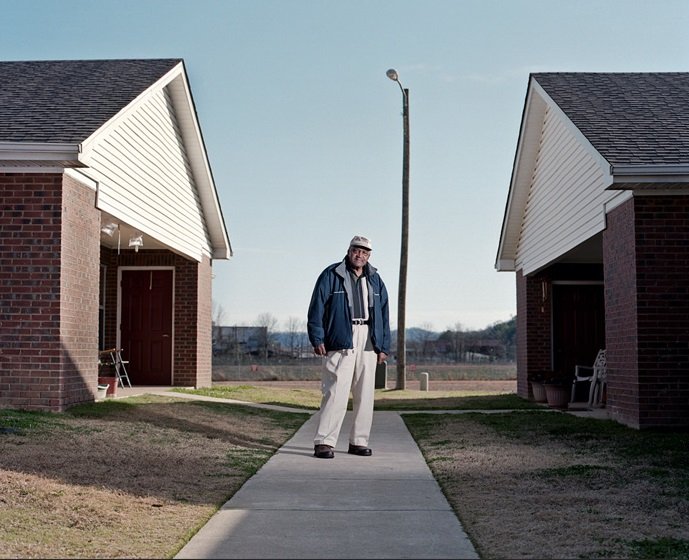
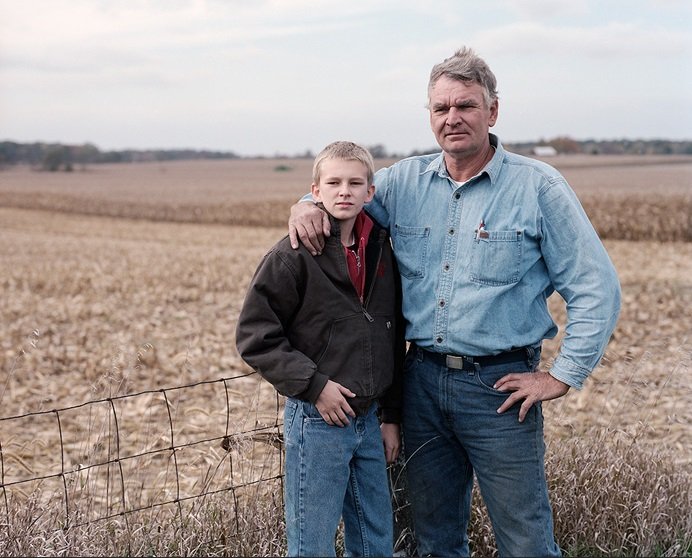
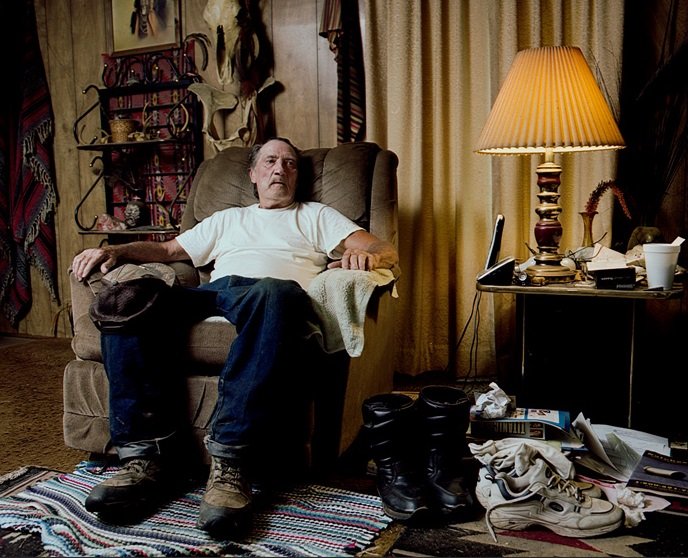
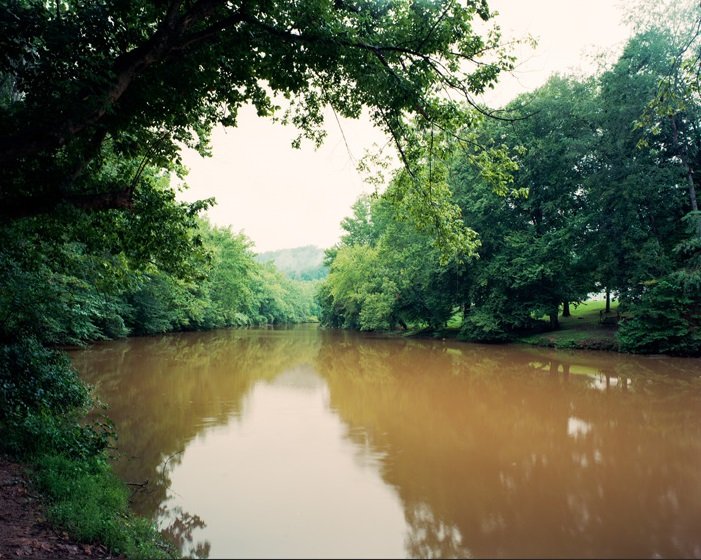
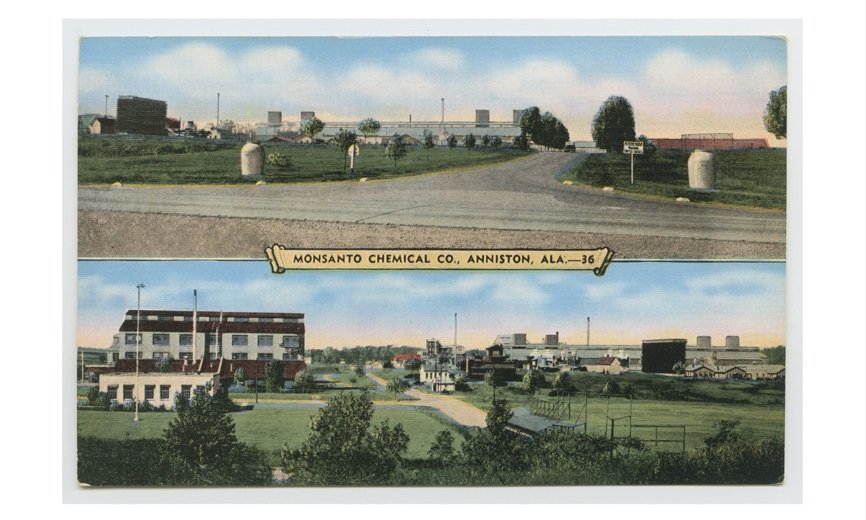
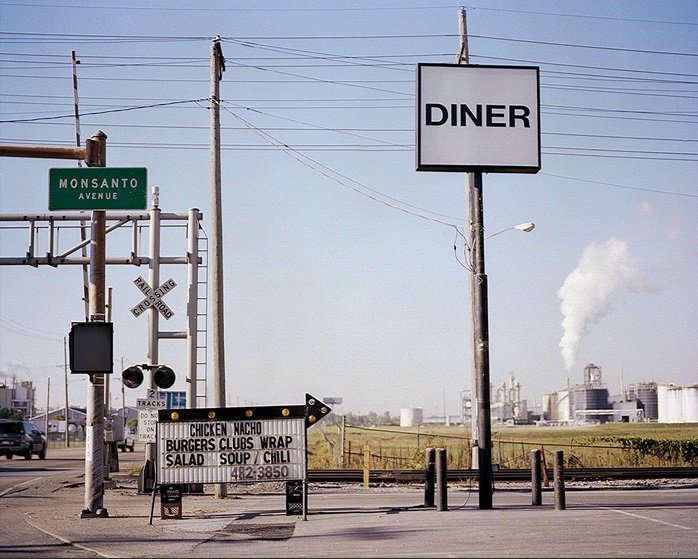
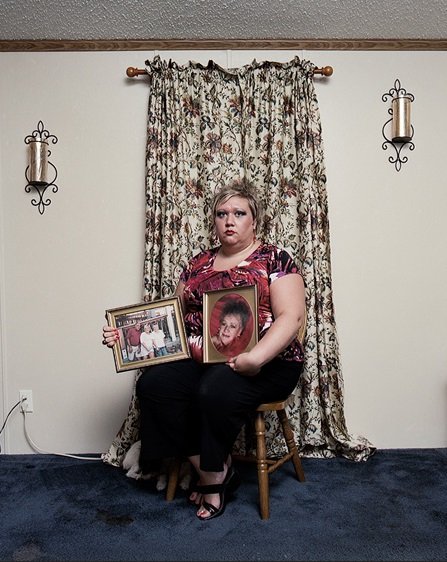
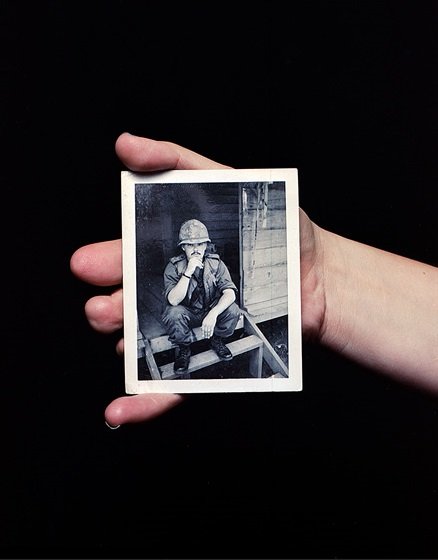
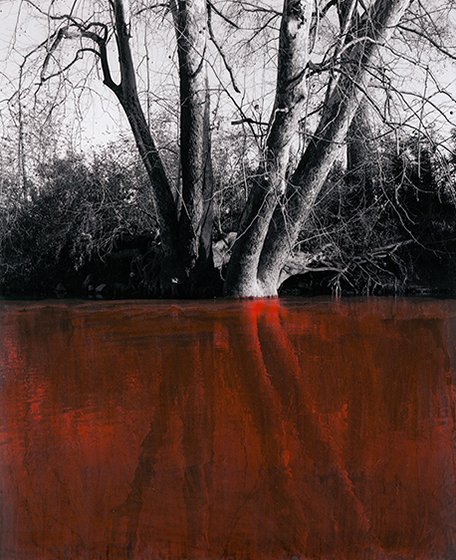
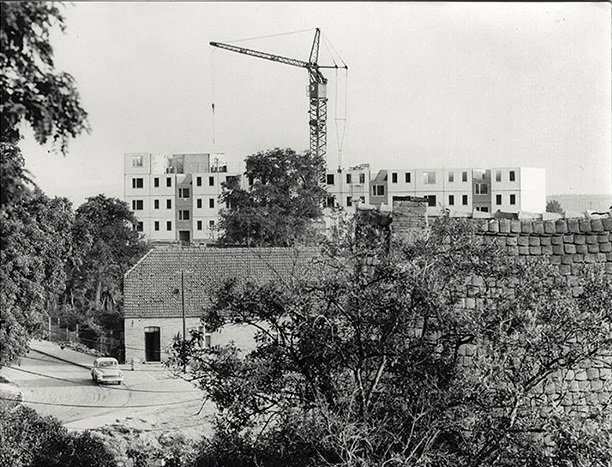
My photographic project investigates key milestones in Monsanto’s 100 years history by documenting communities whose lives were dramatically affected by unscrupulous policies of this corporation. During the last two years I’ve extensively travelled around the United States. I went to Alabama, West Virginia and Missouri to document communities located in the areas contaminated by Monsanto. Residents there have a very high level of cancer. In Pennsylvania and Ohio, I photographed children of U.S. Vietnam War veterans whose health was impacted through their parent’s exposure to Agent Orange. I met with families of farmers in Maine and Indiana: their businesses were endangered by Monsanto’s patent infringement laws on GMO seeds. The project combines environmental portraits, landscapes and archival materials.
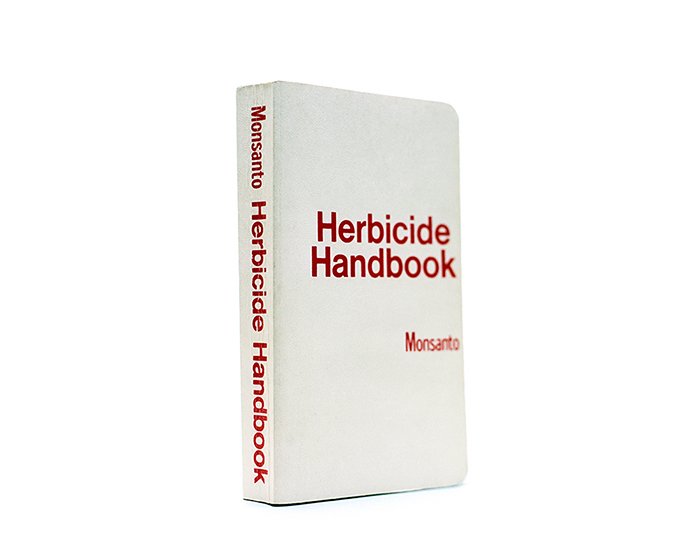
 Monsanto’s Herbicide Handbook – To help customers to select herbicides for a particular crop, Monsanto produced a reference manual in 1971. The success of the herbicide Lasso had turned Monsanto’s struggling Agriculture Division around, and by the time Agent Orange was banned in the US and Lasso was facing increasing criticism, Monsanto had developed the weedkiller “Roundup”as a replacement. Launched in 1976, Roundup helped to make Monsanto the world’s largest producer of herbicides.
My interest in Monsanto started five years ago through the conversations I had with my father. I began a meticulous investigation, researching archival materials, collecting Monsanto’s memorabilia and establishing contacts with various organizations working in related areas. This project is a window into the past and the present to better understand the future of this multinational. I want to expose Monsanto’s irresponsible and harmful activities. Many of them are barely known to the public. My intention is to raise public awareness in a moment when we are deciding the future of how and who will have control over food. And how we as consumers are going to relate to it.
Written and Photography feature by Mathieu Asselin